Role-playing: Playful learning for life
An empty box becomes a spaceship, a stuffed animal becomes a patient, and the kids room becomes a bakery. What seems like pure fantasy to adults is an important part of a child's development. Role-playing games are one of the most natural forms of learning. They allow children to process everyday experiences, try out new skills, and understand social dynamics.

Children begin to imitate situations from their environment at a very early age. Initially, simple play scenes emerge, which become increasingly complex with age. Individual actions develop into entire stories in which children take on different roles and collectively create play worlds.
Why role-playing games are so important for children
Role-playing games foster numerous skills simultaneously. While children play, they train social, emotional, linguistic, and cognitive competencies that they need in everyday life and later in life.
Develop empathy and perspective-taking
When children step into the role of a doctor, a salesperson, or a parent, they learn to view situations from different perspectives. They engage with the feelings, needs, and behaviors of other people, thereby developing empathy.

This ability forms an important foundation for friendships, conflict resolution, and respectful coexistence.
Strengthen self-confidence
In role-playing, children can be brave, take responsibility, or master difficult situations. They experience themselves as capable of action and effective. Especially roles that convey strength or competence support self-confidence and promote trust in one's own abilities.

Foster creativity and imagination
Children often need only a few objects to create entire worlds. This creative reinterpretation of objects promotes abstract thinking and stimulates imagination. At the same time, children learn to develop their own stories and find creative solutions for new play situations.
Support language development
Role-playing games are intensive language training. Children invent dialogues, explain play ideas, negotiate roles, and tell stories. In doing so, they expand their vocabulary, improve their ability to express themselves, and learn to formulate thoughts clearly.
Especially in cooperative play, numerous opportunities for communication and linguistic exchange arise.

Process and understand emotions
Children often use role-playing games to process experiences and emotions. A doctor's visit, an argument in kindergarten, or an exciting experience can be re-enacted in play and viewed from a new perspective.
This gives children security and teaches them how to deal with their feelings.
What skills are promoted through role-playing games?
Role-playing supports children in many areas of development:
• Empathy and social competence
• Language development and communication
• Creativity and imagination
• Problem-solving ability
• Self-confidence and self-efficacy
• Emotional development
• Conflict resolution skills
• Concentration and attention
Hardly any other form of play combines so many learning and development areas simultaneously.

How role-playing games develop
The ability to role-play develops gradually. With increasing age, play situations become more complex and social.
Approx. 1 to 2 years: Children begin with simple imitations of everyday actions. For example, a spoon becomes a telephone.
From approx. 3 years: The first real role-playing emerge. Children consciously take on roles and re-enact situations.
From approx. 4 years: Feelings and social relationships play a greater role. Children begin to express and understand emotions.
From approx. 5 years: Collaborative role-playing games with several children become more complex. Rules, agreements, and cooperation gain importance.
Free role-playing: Learning without rules
Free role-playing is particularly valuable. Here, children decide what is played, what roles are assigned, and how the story unfolds.
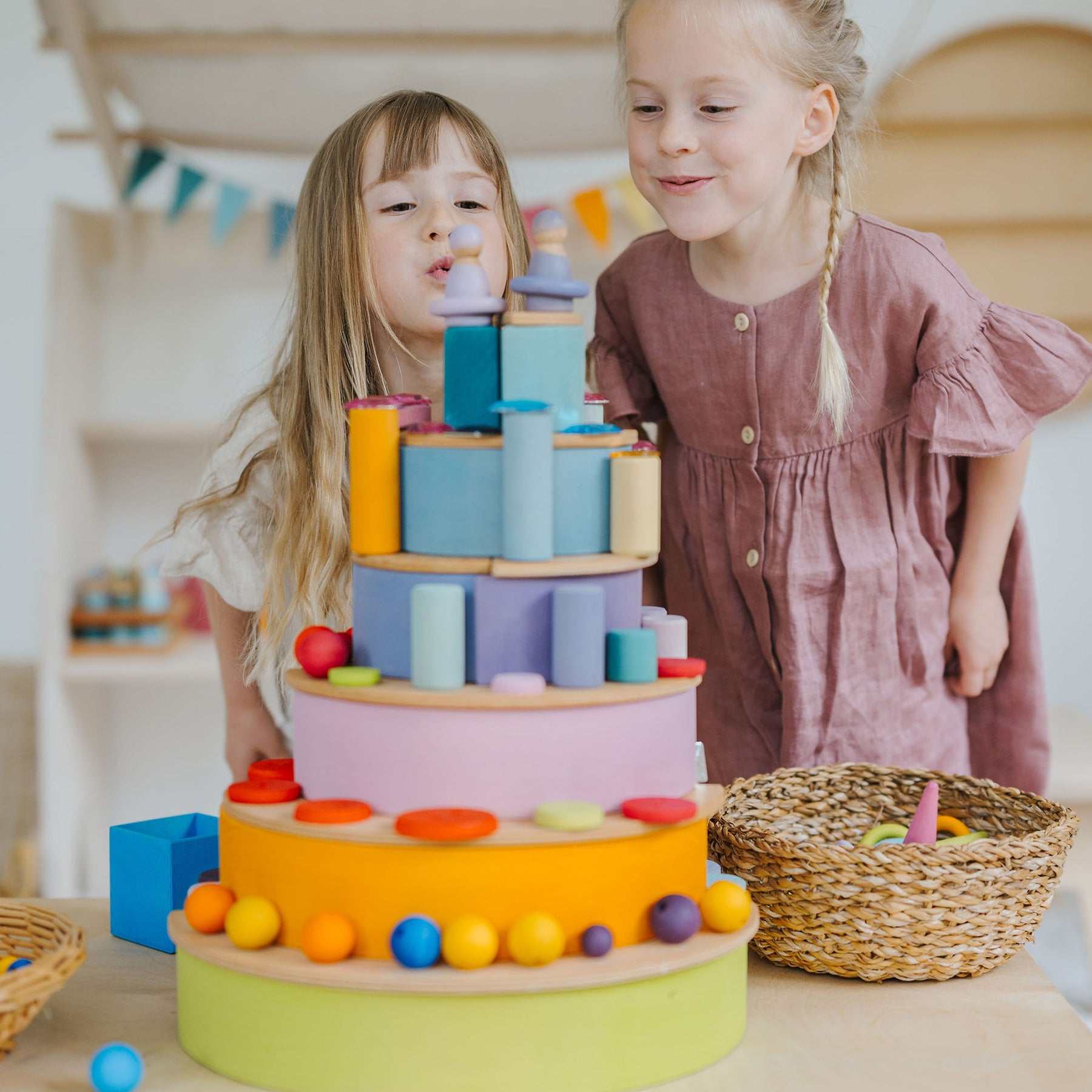
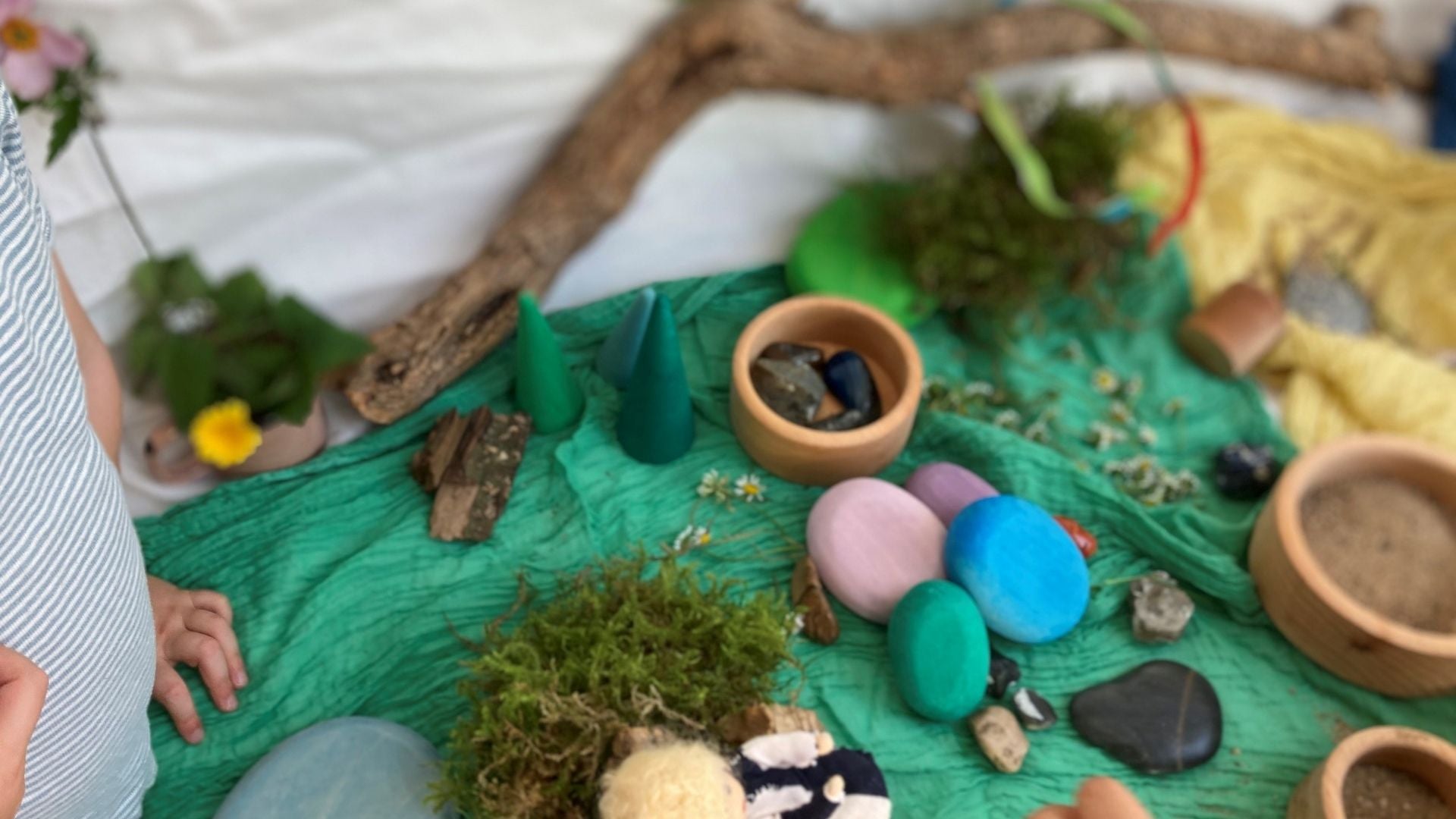
This freedom allows them to pursue their own interests, implement creative ideas, and develop solutions independently. Adults do not have to constantly intervene. Often, it is enough to provide time, space, and suitable materials, such as dressing-up boxes, cloths, cardboard boxes, or everyday objects.

Role-playing games as an important building block of child development
Children learn through play. Role-playing offers them the opportunity to gain experience, understand relationships, express feelings, and discover their environment. They promote important skills that are significant far beyond childhood.
Therefore, role-playing is much more than a pastime. They are among the most valuable learning and development spaces that children can use – naturally, self-determined, and with plenty of imagination.