A text by Marie (GRIMM'S)
Rituals can take many different forms and have very different occasions. There are annual events like birthdays or other celebrations, for example, Christmas and Easter. There are quarterly events, such as the changing of the seasons, or monthly events, such as the end of the month. There are also weekly events, such as the individual days of the week, on which different things take place, or the weekend. And there are even daily events, such as daily meals or getting ready together in the morning or evening. In this sense, we all have our little rituals.

Rituals create a very special atmosphere
One might argue that these frequently recurring processes are simply routines – things that just have to be done daily. And that's true to some extent, because routines, just like rituals, provide a framework to give the day structure and regular processes. However, routines tend to be more practical, a sequence of things that are checked off a list, while rituals have something special about them and can imbue moments with value.
Boring routines can quickly become little rituals, for example, by massaging hands and feet after brushing teeth in the evening, or by singing songs, reading books, or cuddling together. Basically, anything that turns to-do items into a pleasant shared experience to look forward to.
Structure and security in turbulent everyday life
Children often appreciate it when their day, week, or year is somewhat predictable, allowing them to participate in shaping it. While one might think such structures lead to more organizational stress, the opposite is often true. By having an overview of time and helping to shape it, children are often much more willing to tackle upcoming tasks because they already know what's coming and aren't completely uncertain about what's to come. This also makes them more willing to compromise and gives them a sense of inclusion. They are familiar with their manageable microcosm.
Every family must, of course, discover for themselves how much routine, ritual, or flexibility works well for them and has a positive impact on their daily life; there's no right or wrong here. Rituals shouldn't impose a rigid framework of procedures, but rather, within their consistency and structured processes, always allow room for spontaneity and expansion.

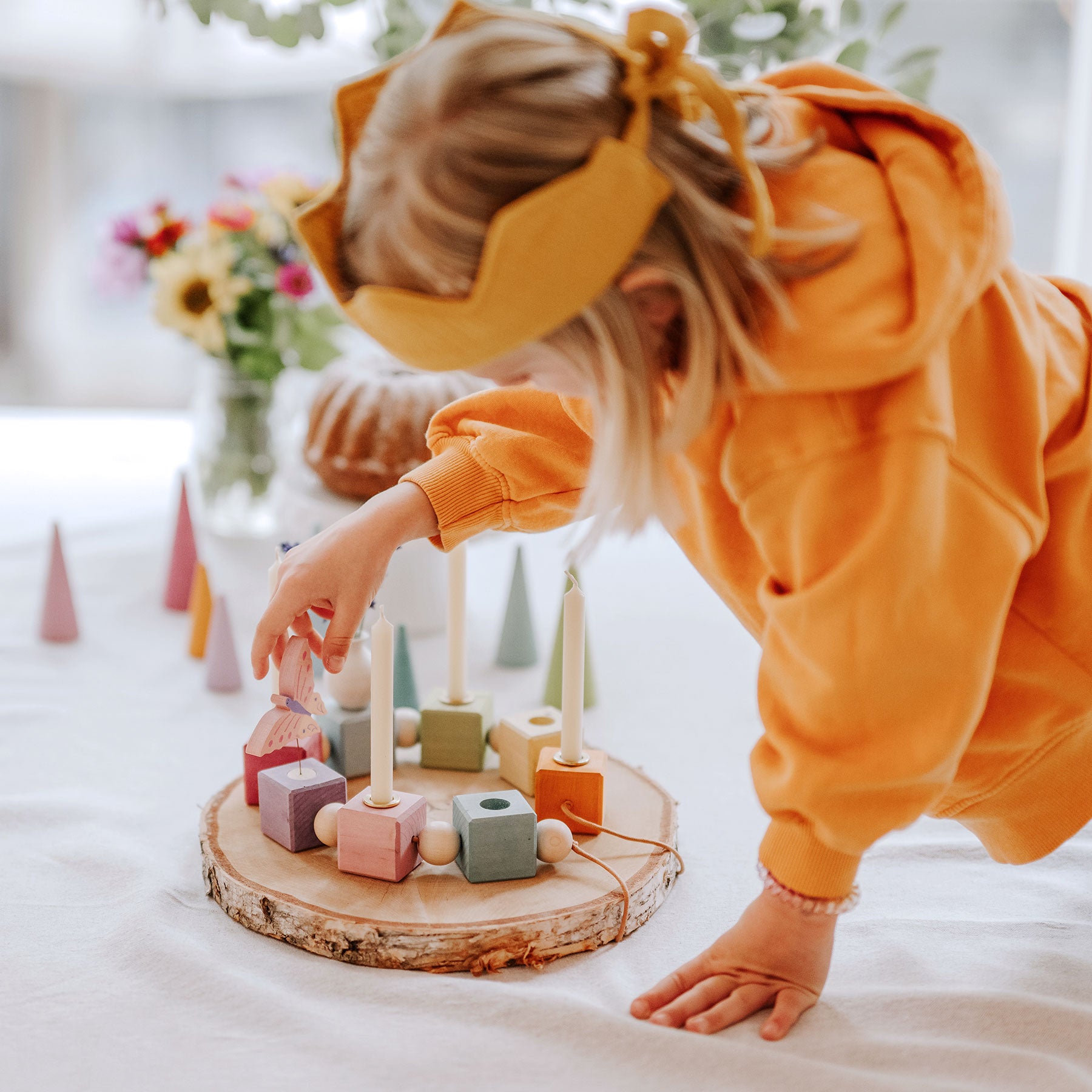
Recurring celebrations, like birthdays, are highlights of the year. They allow us to celebrate the people around us and the time we spend together. For children in particular, they are often associated with something magical. This is how traditions develop that provide unforgettable family moments year after year and, if they are well-received, last a lifetime.
Most families already have some kind of ritual, even if they don't consciously celebrate them. Always the same cake for birthdays, the same table decorations, Grandpa playing a song on the harmonica, or whatever it may be. It can actually be the little things that become established rituals and, through their repetition, acquire meaning for everyone involved.
What positive effects can family rituals have on children?
They create identity : Rituals strengthen self-confidence and support the personality development of children.
They learn: I am good just the way I am!
They create security : Rituals give children support and orientation in this world.
They learn: I am safe and secure!
They create a sense of belonging : Rituals foster a feeling of togetherness within the family in children.
They learn: I am important and I belong!

@giuliegiordi
Small ideas for adding a special touch of magic to everyday life:
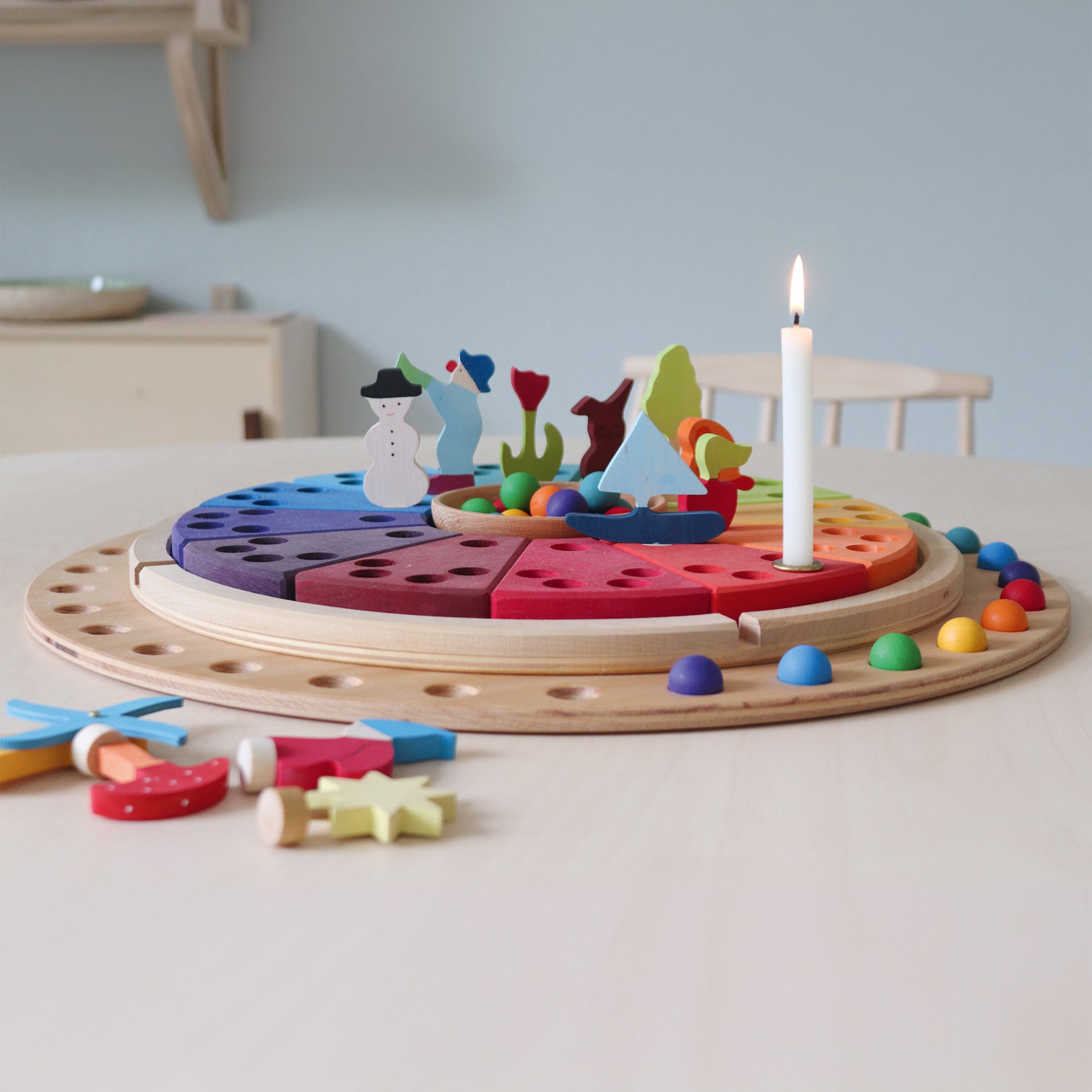
- Light a candle at mealtimes
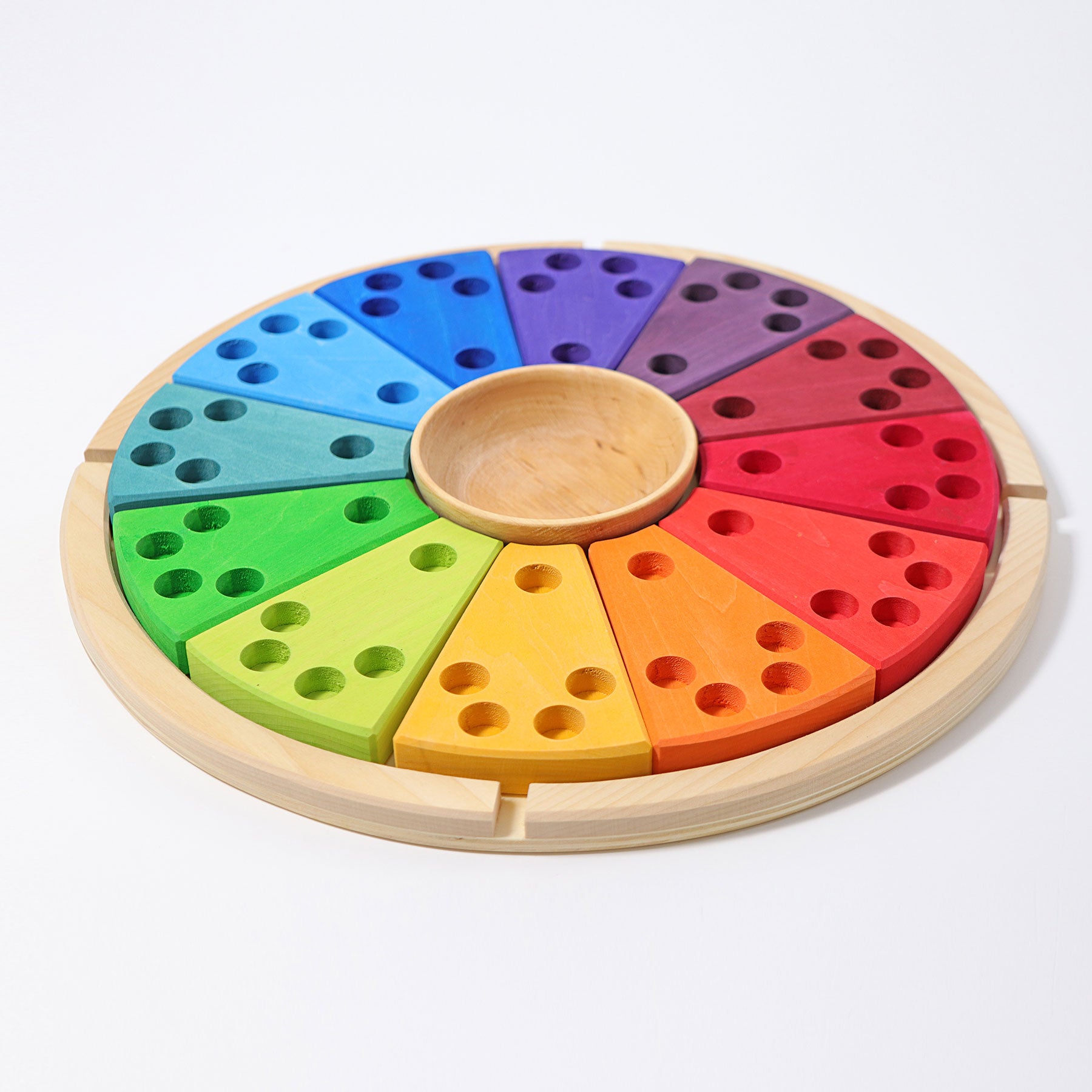
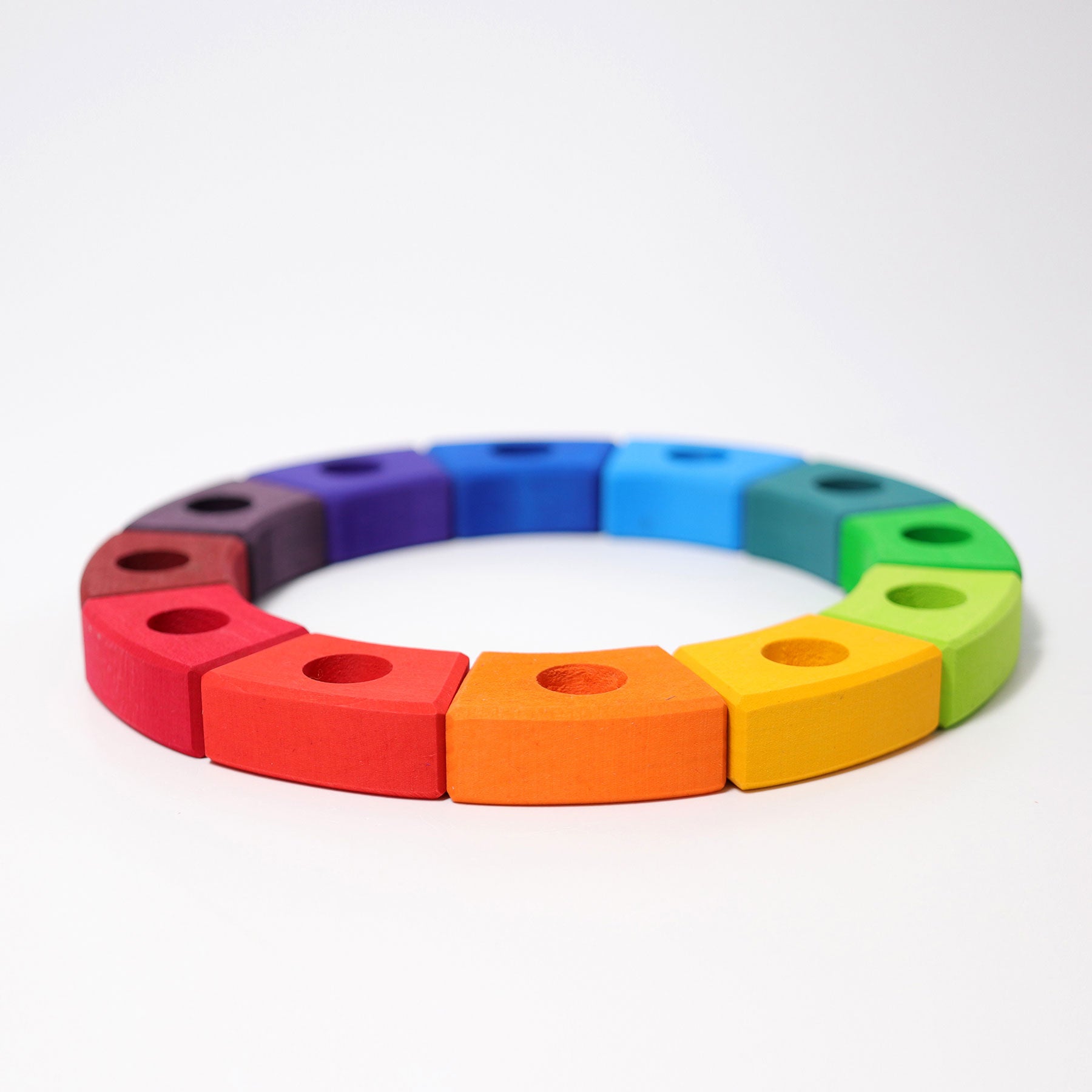
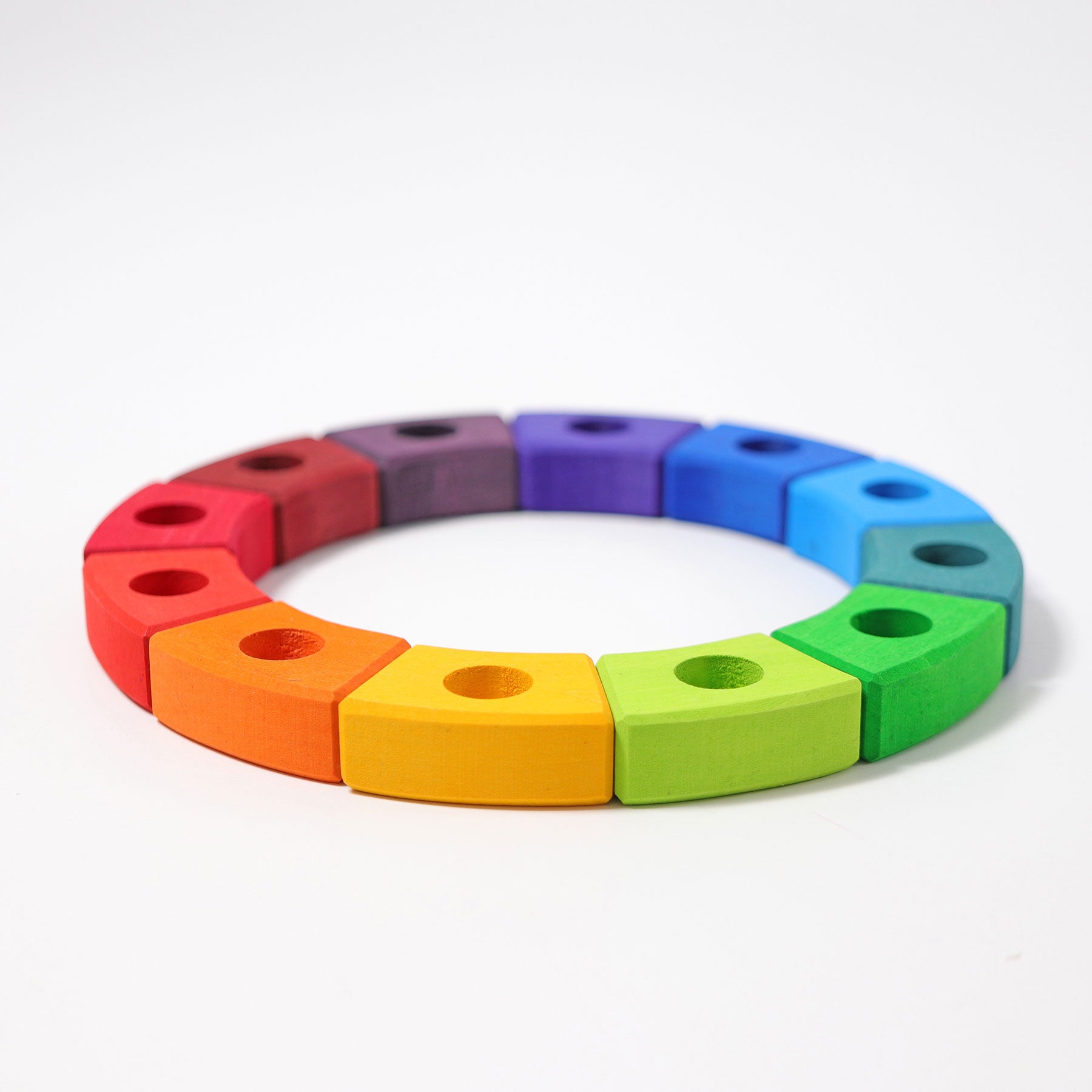
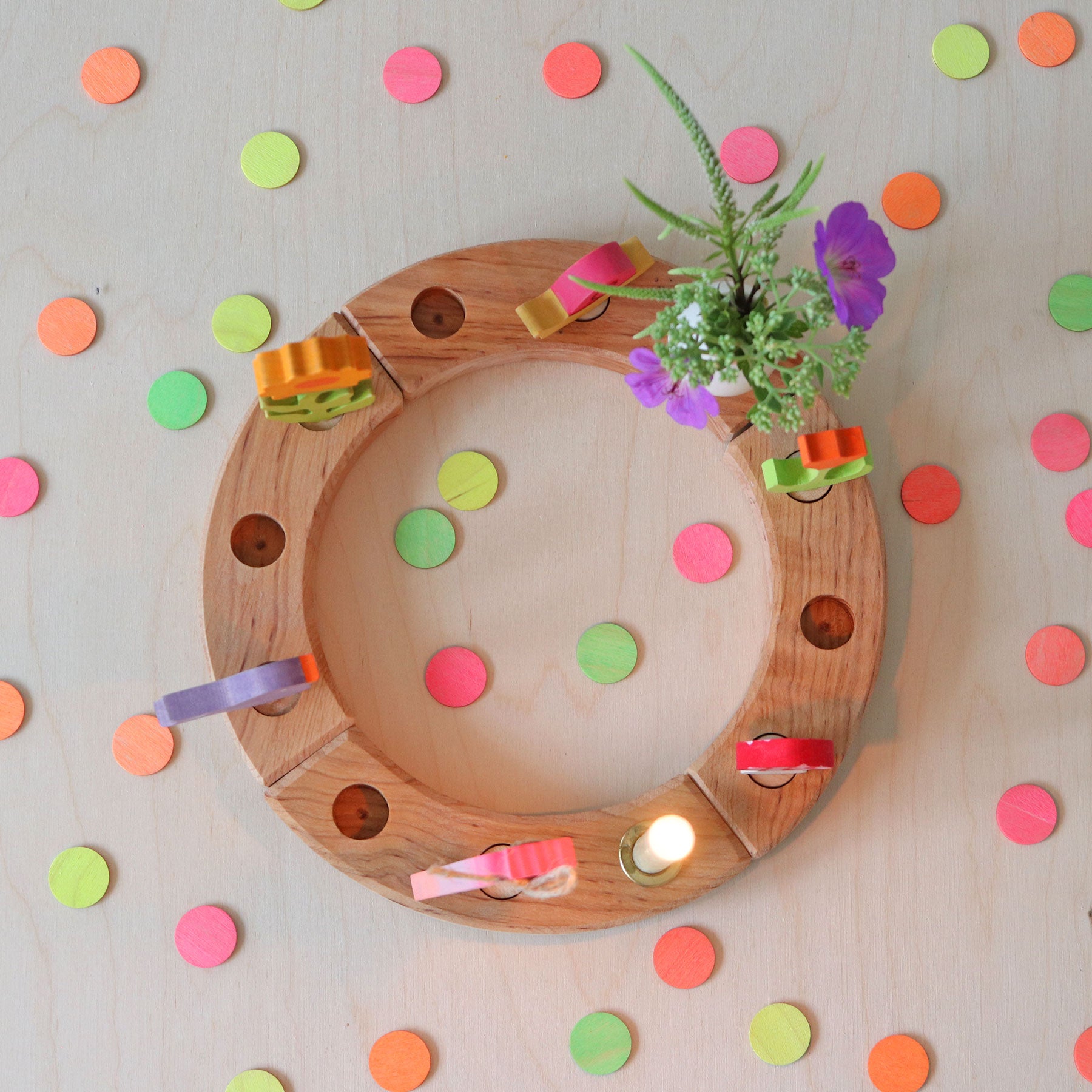
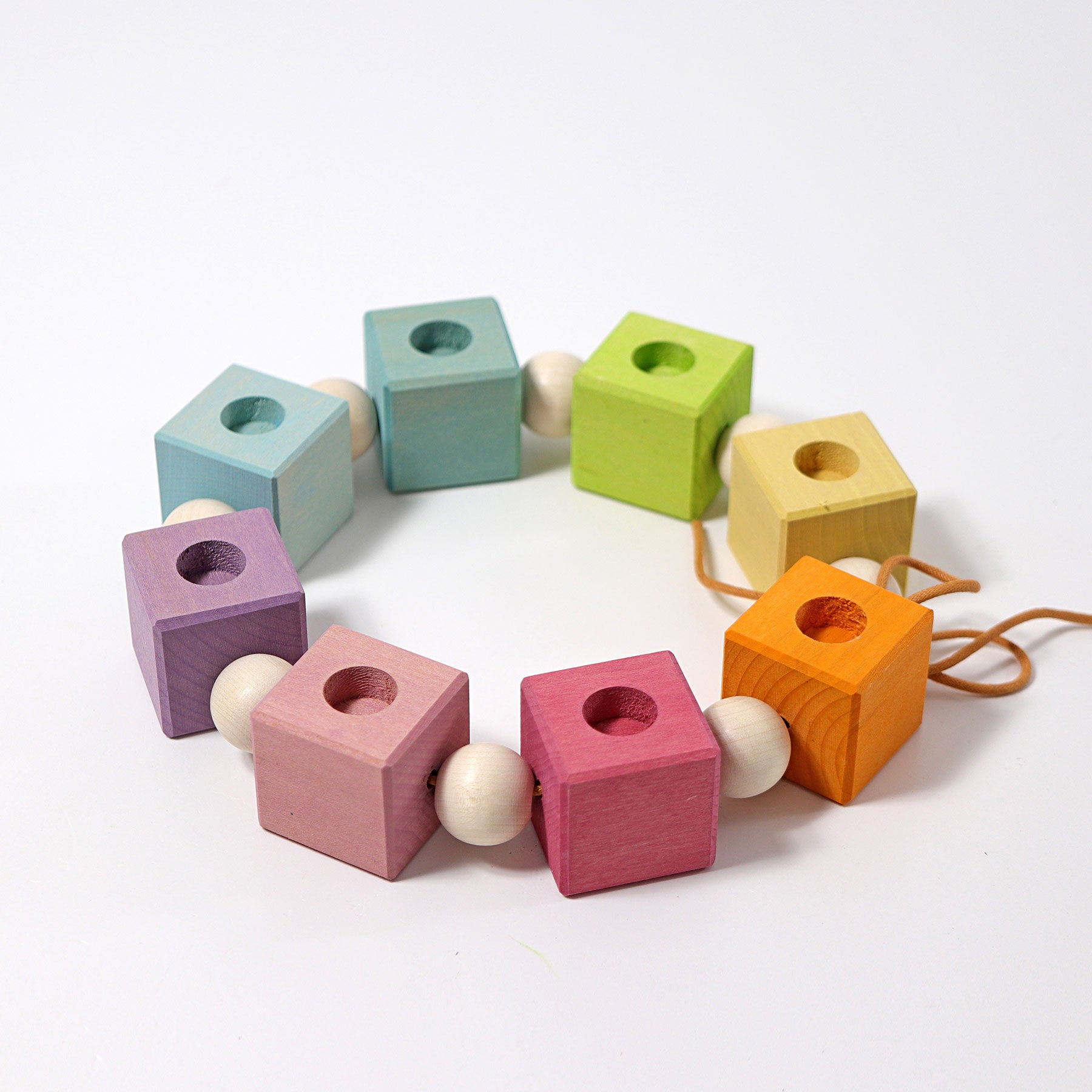
- Regularly decorating a Celebration Ring on the table together
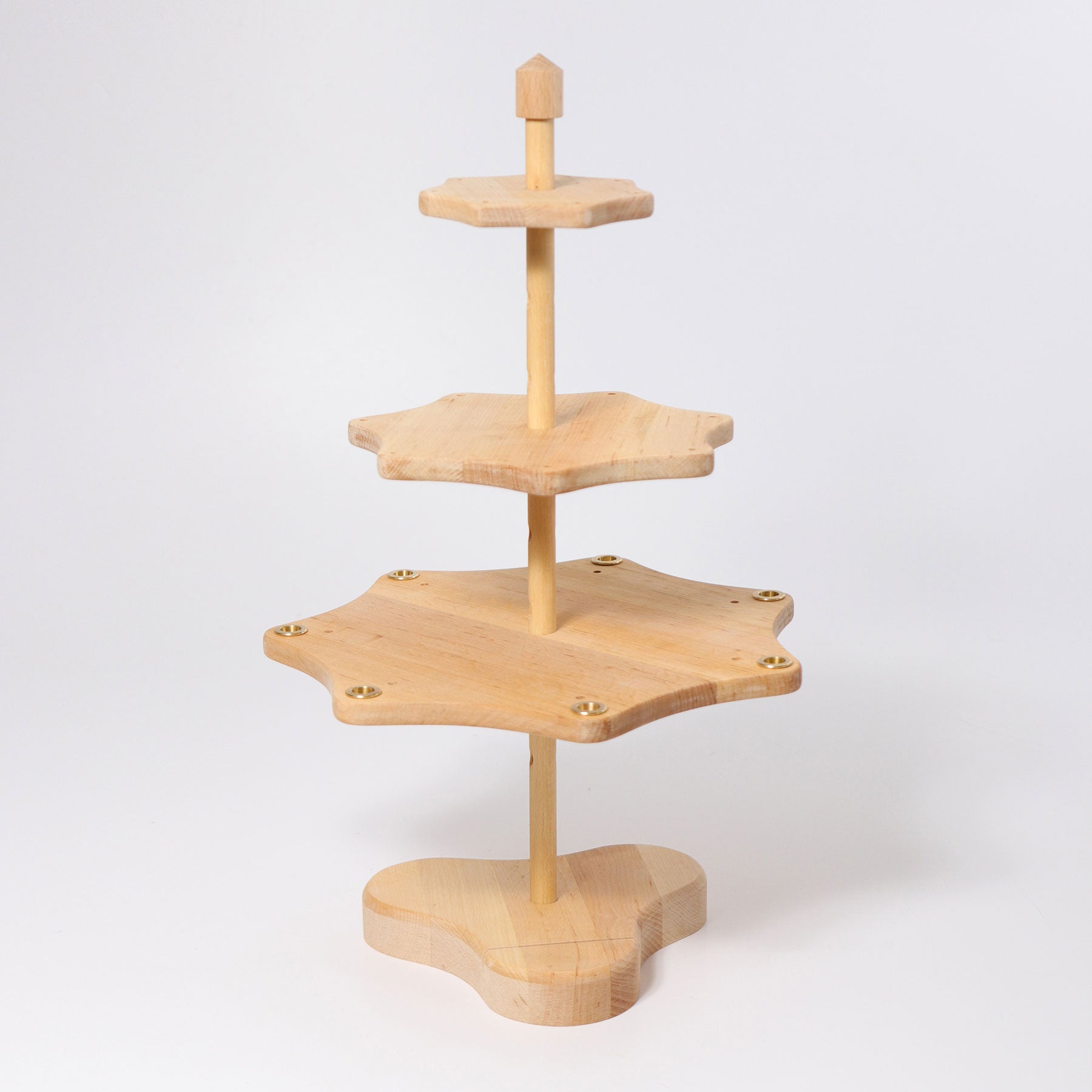
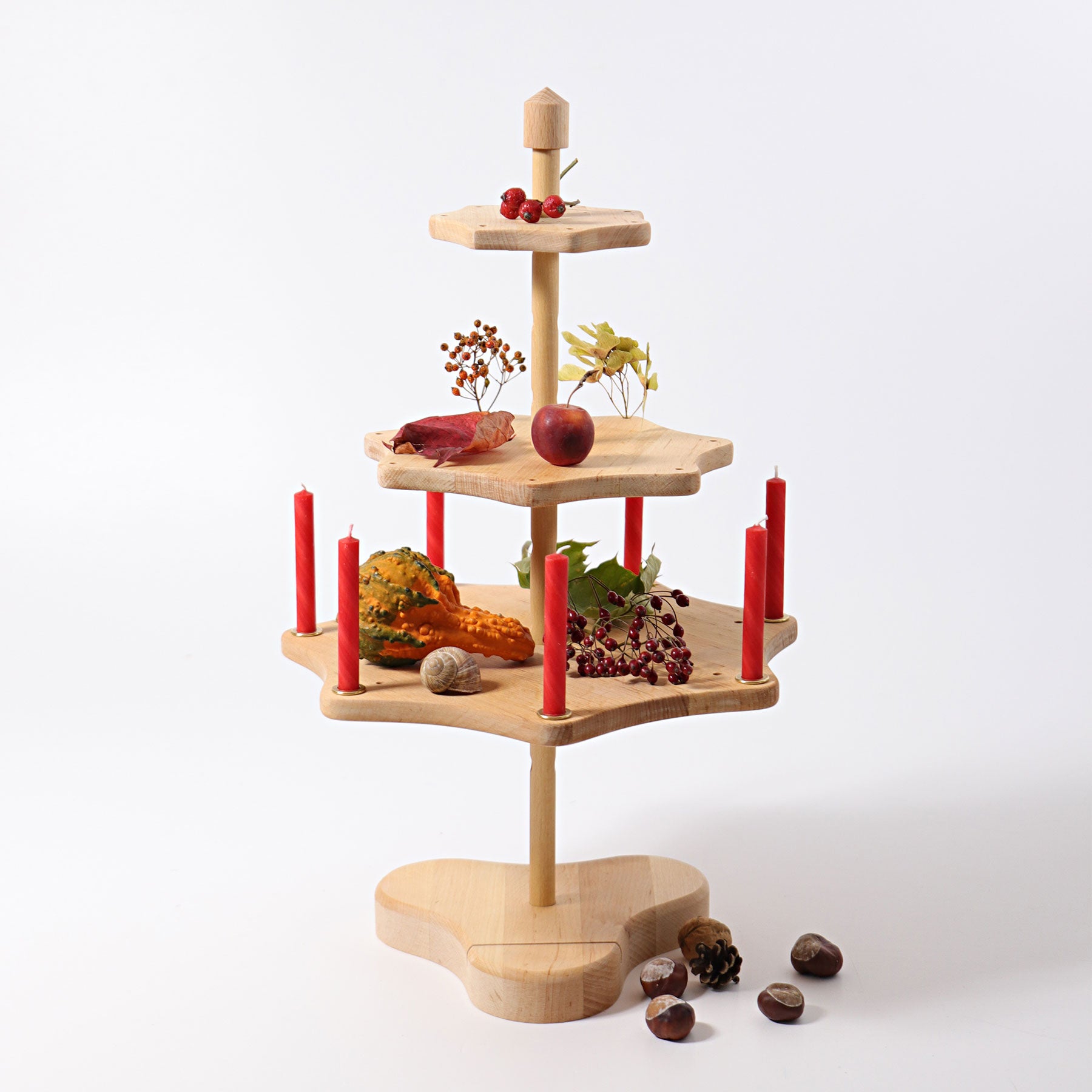
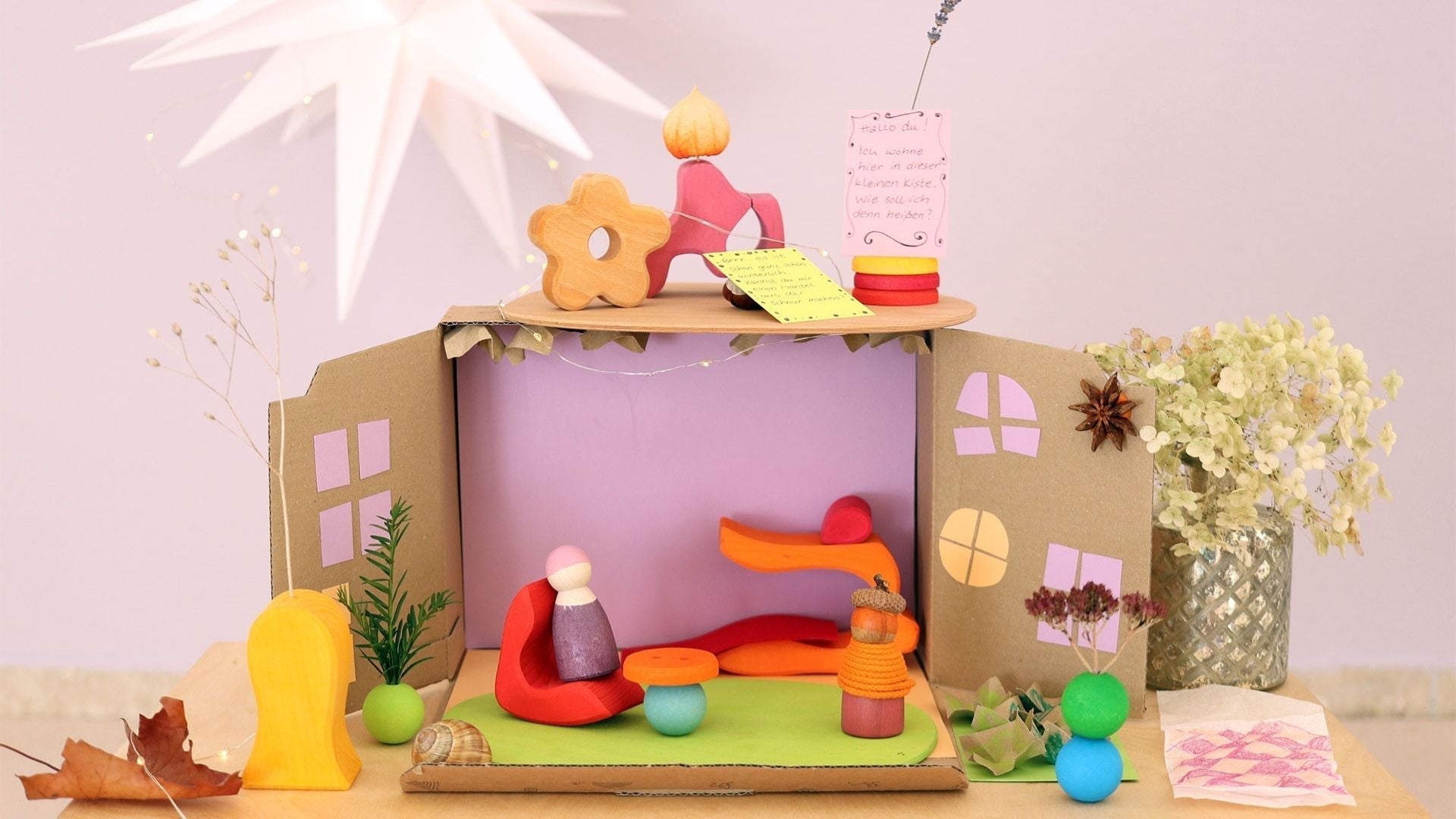
- Creating a seasonal table with collected natural materials or other small, special treasures
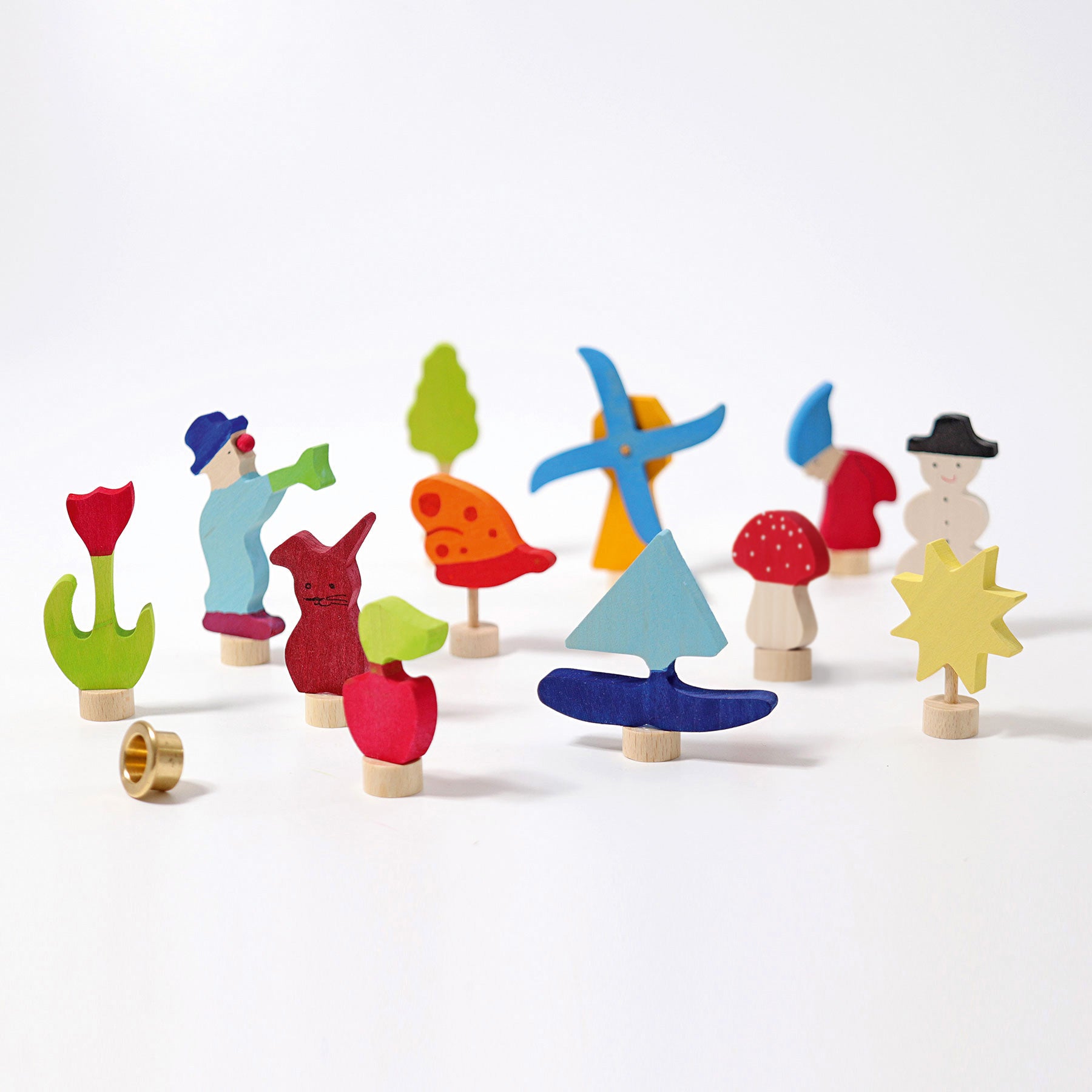
- On birthdays, parents and siblings decorate the birthday child's Celebration RIng with Decorative Figures, choosing them according to their wishes for the birthday child or based on themes and colours they know the birthday child likes.
- Sing a song together before going to bed
- Consciously taking time in everyday life without stress and appointments
- Saying the same phrase/sentence every time before falling asleep/saying goodbye
- Affirmation cards for children that leave a good and empowering feeling
- Place loving messages on slips of paper into the lunchbox
Rituals provide a rhythm that is very beneficial for most children and families. They shouldn't be a source of stress, but can be seen as small everyday helpers that make certain routines run more smoothly and bring shared anticipation instead of arguments. Some need more of them, others less. Even if they are only small gestures and actions, the recurring rituals of every family become warming traditions to remember and pass on through generations.