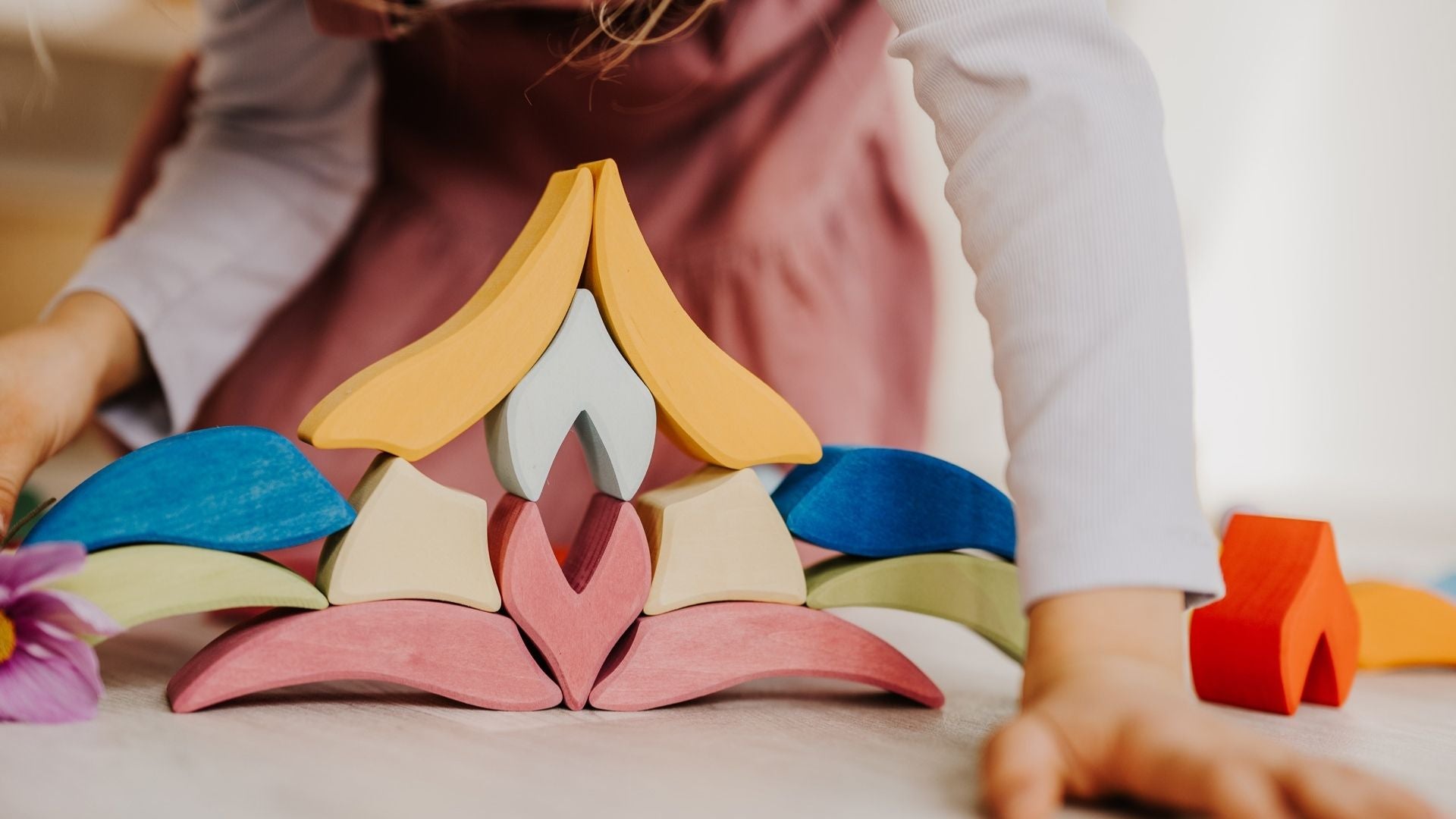
After all, babies play right from the start. Not with set ideas or rules, but with everything around them. With voices, hands, light, fabrics, movements and, later on, their first objects. They discover the world step by step, learning something new every day about themselves and their surroundings.
The first games are encounters
Right at the start, play consists mainly of closeness and interaction. Babies observe faces very attentively, listen to voices and react to touch. A sung song, a recurring rhyme or a little ‘peek-a-boo’ game can already be a big experience.
Particularly exciting in the first few months are:
- strong contrasts
- gentle movements
- repeated sounds
- different materials
- hands and faces
Many parents quickly notice how attentively babies perceive even small changes. A cloth moved slowly, a soft sound or a familiar voice are often enough to arouse curiosity.

Little hands discover the world
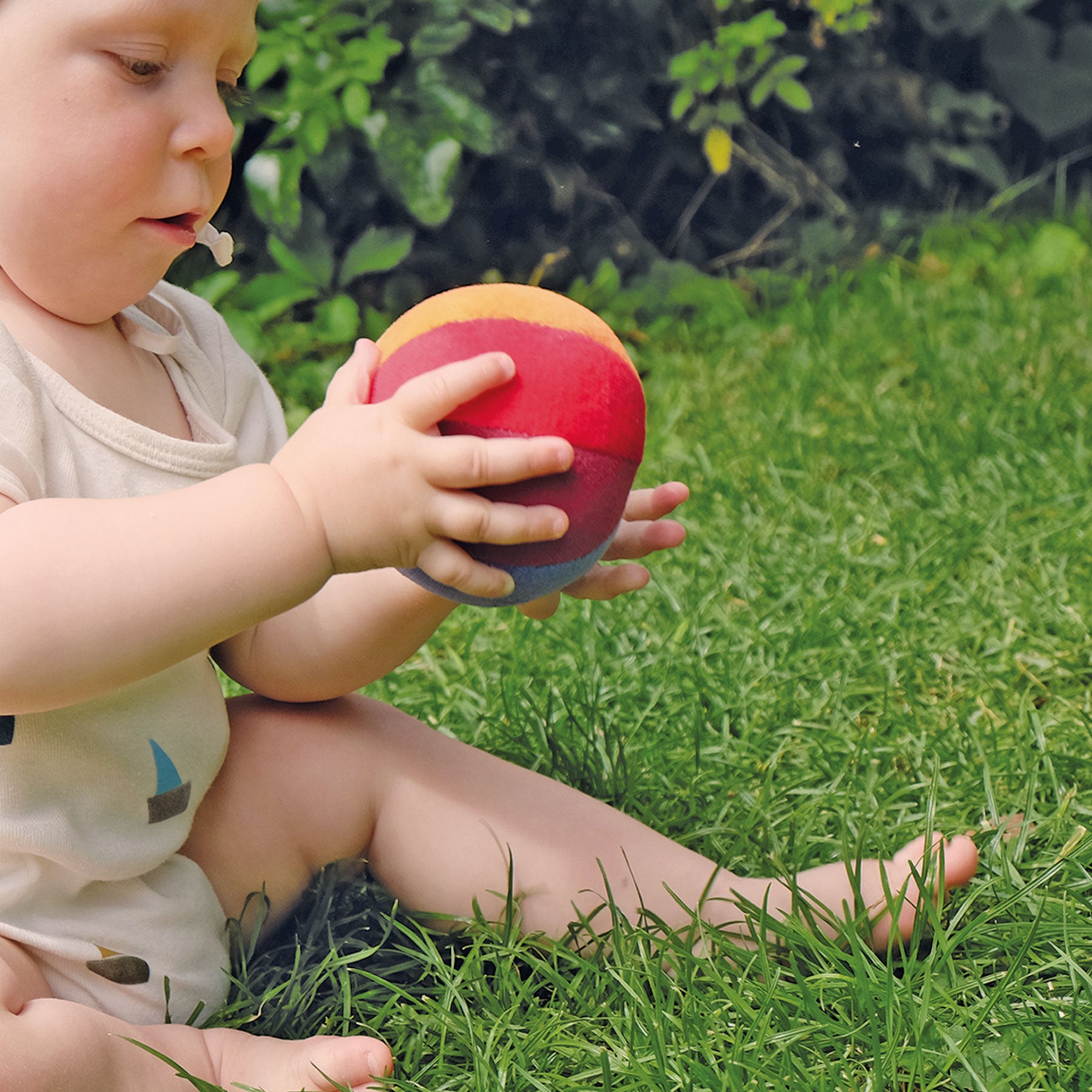
Over time, movements become more purposeful. Babies discover their hands, bring things to their mouths and reach for objects with increasing awareness. It is less about doing something ‘right’ and more about exploring.
How does it feel?
What happens when I move it?
Does it make a sound?
Can I hold on to it?
It is particularly lovely to observe how random movements slowly turn into deliberate actions. First, an object is touched by chance; later, it is grasped deliberately; and eventually, it is passed from one hand to the other quite naturally.
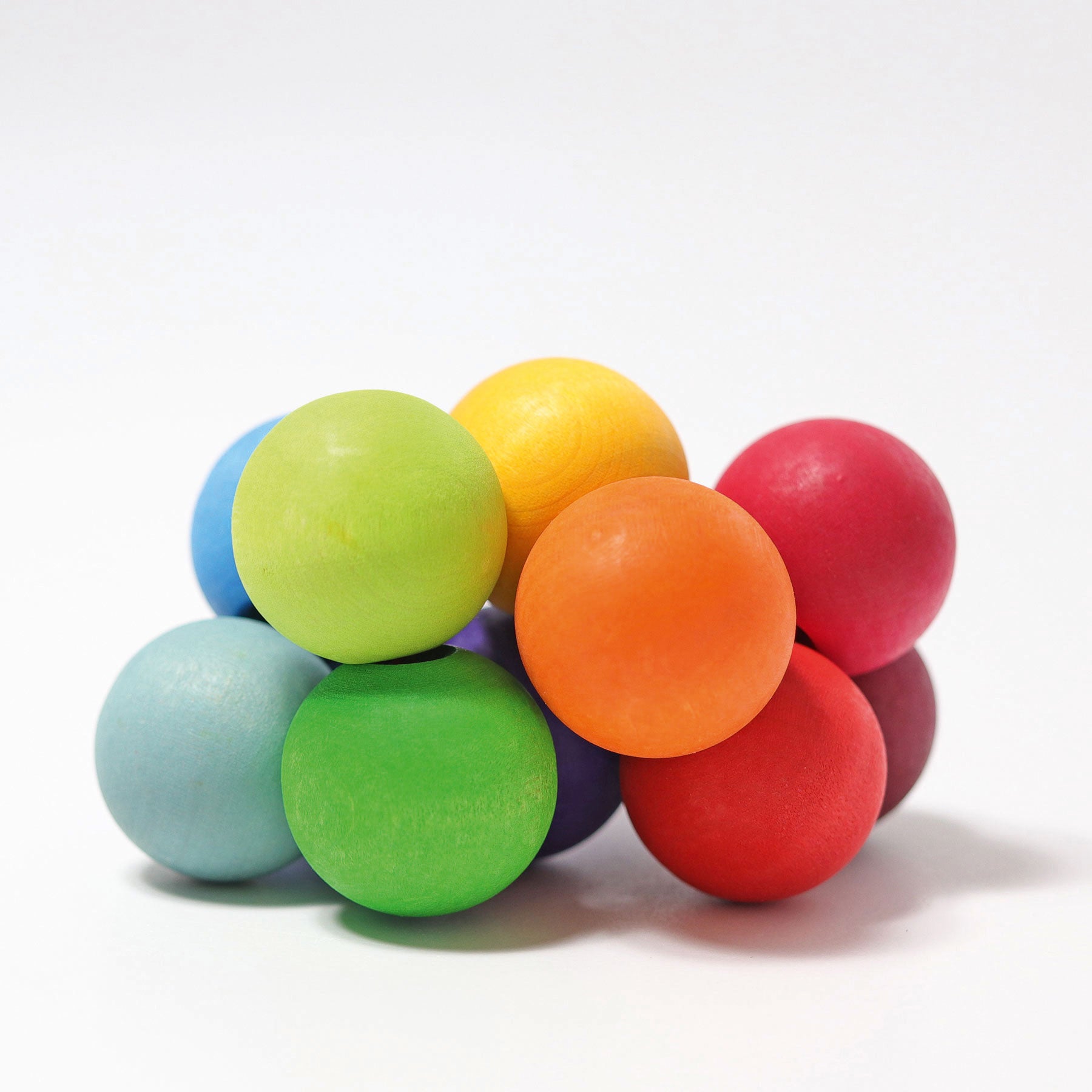
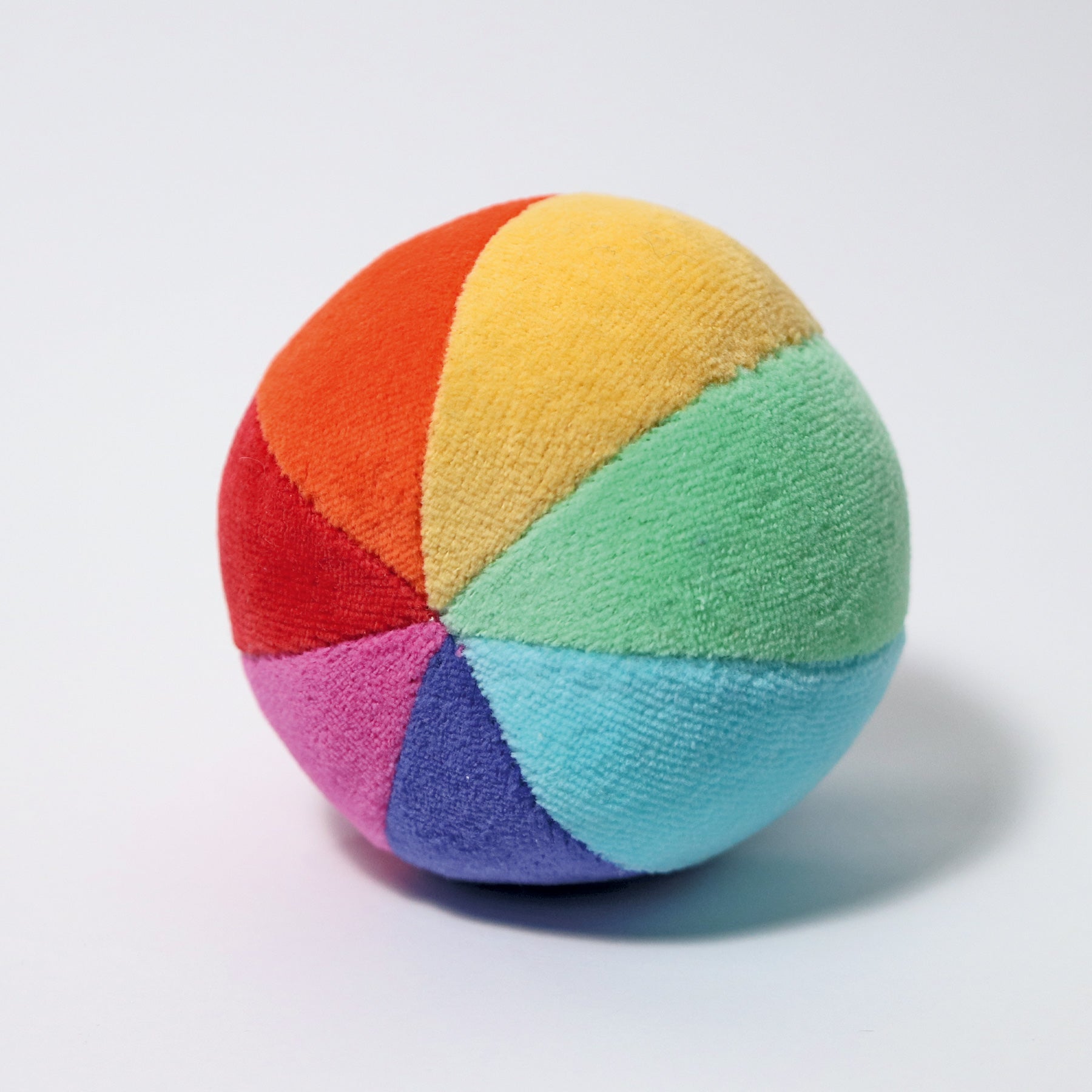
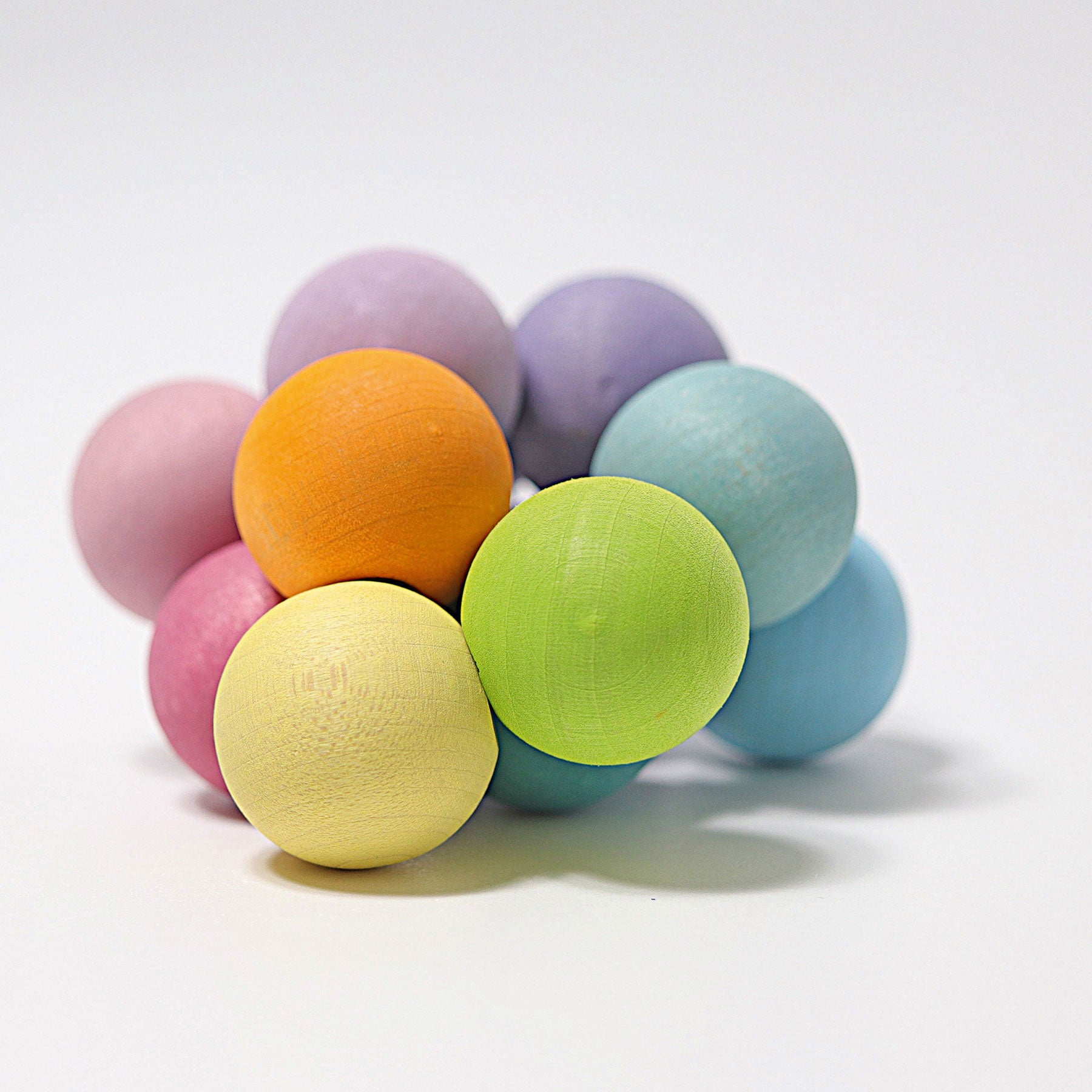
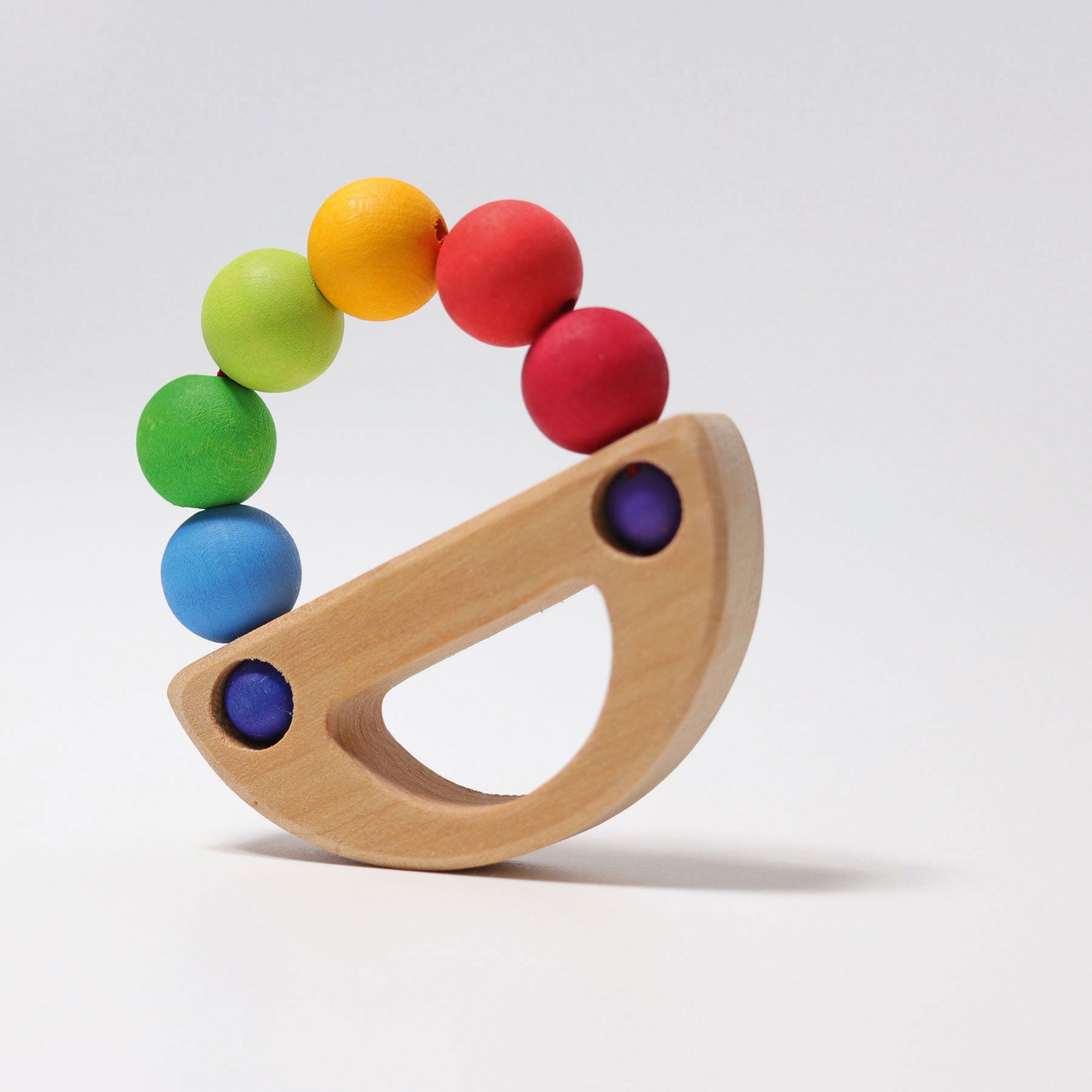
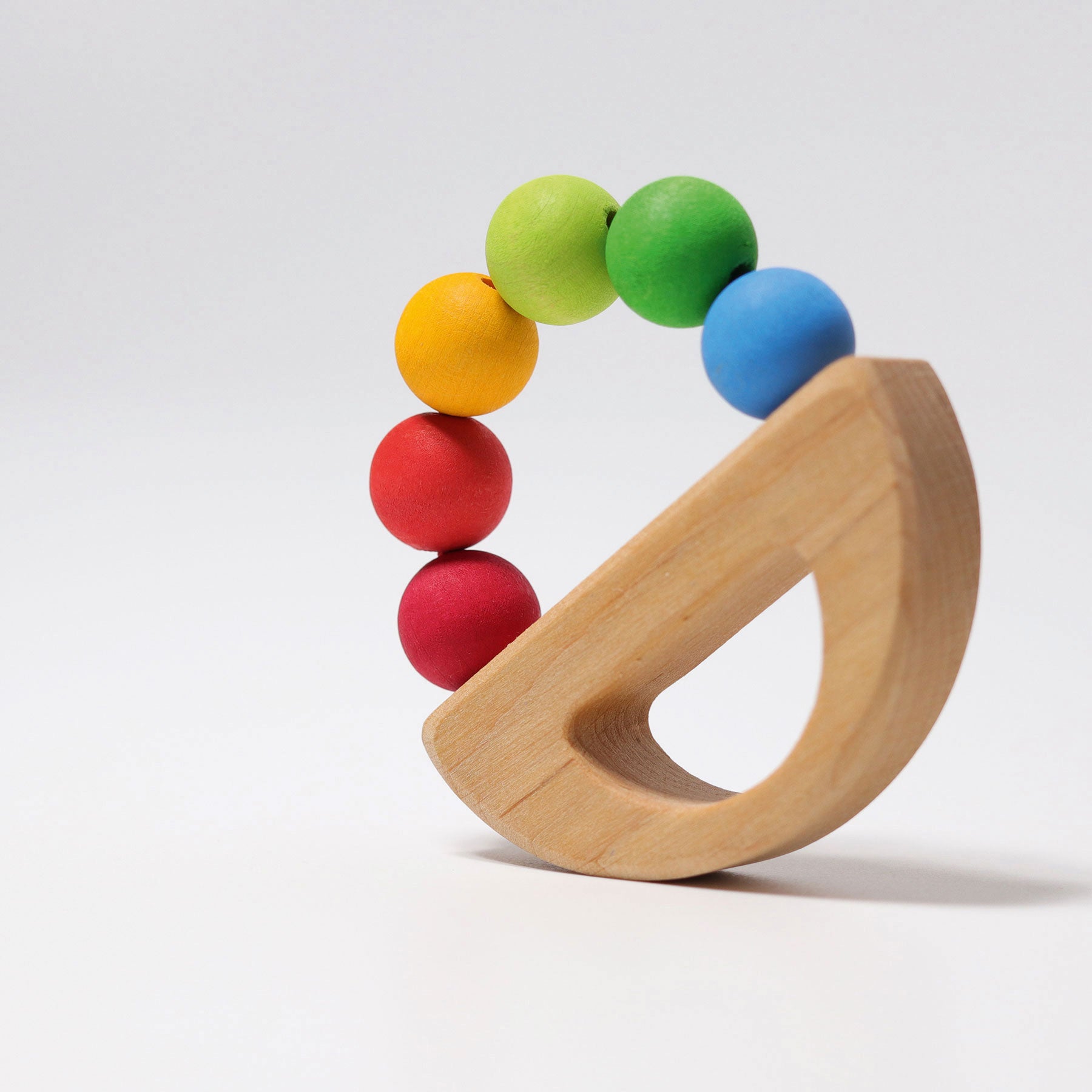
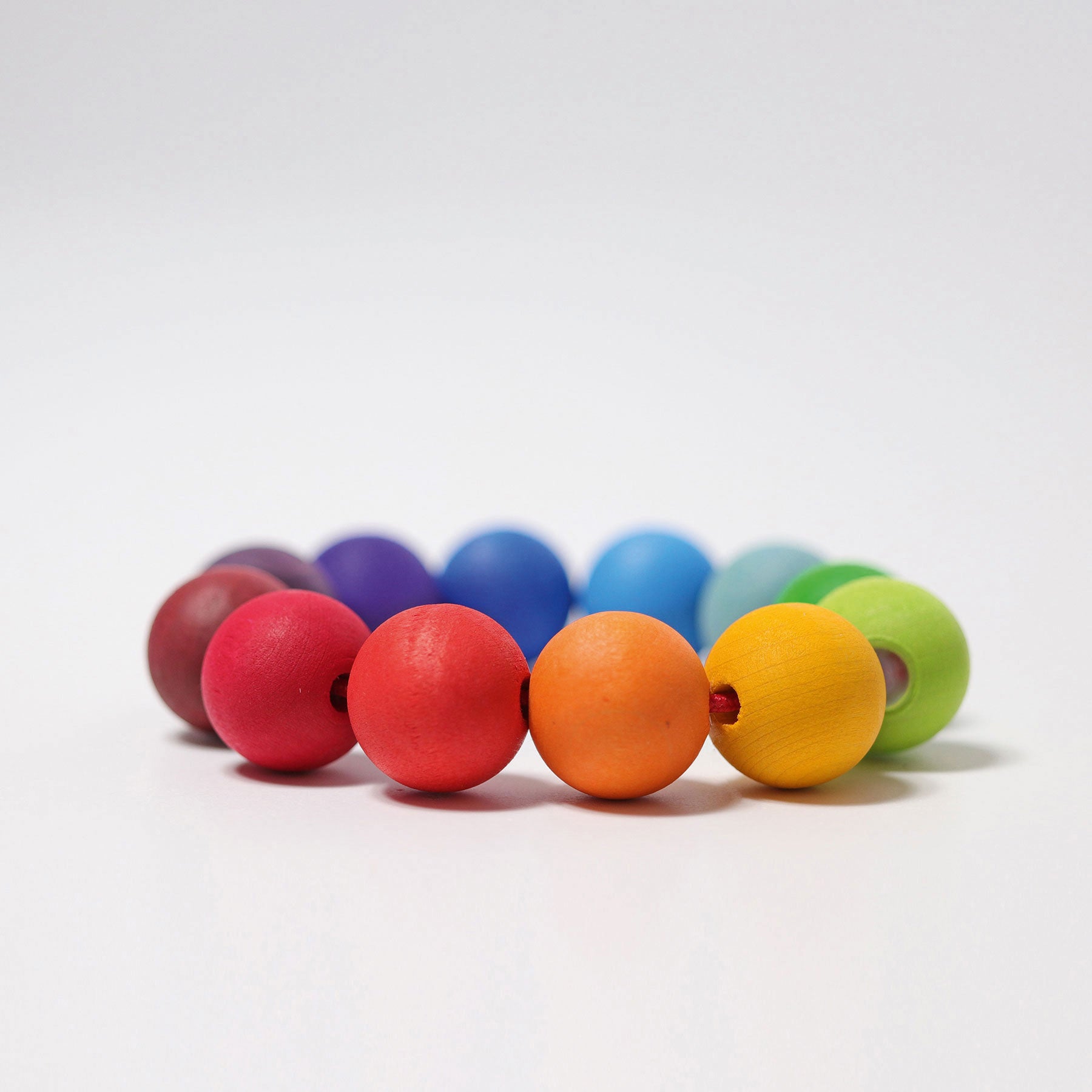
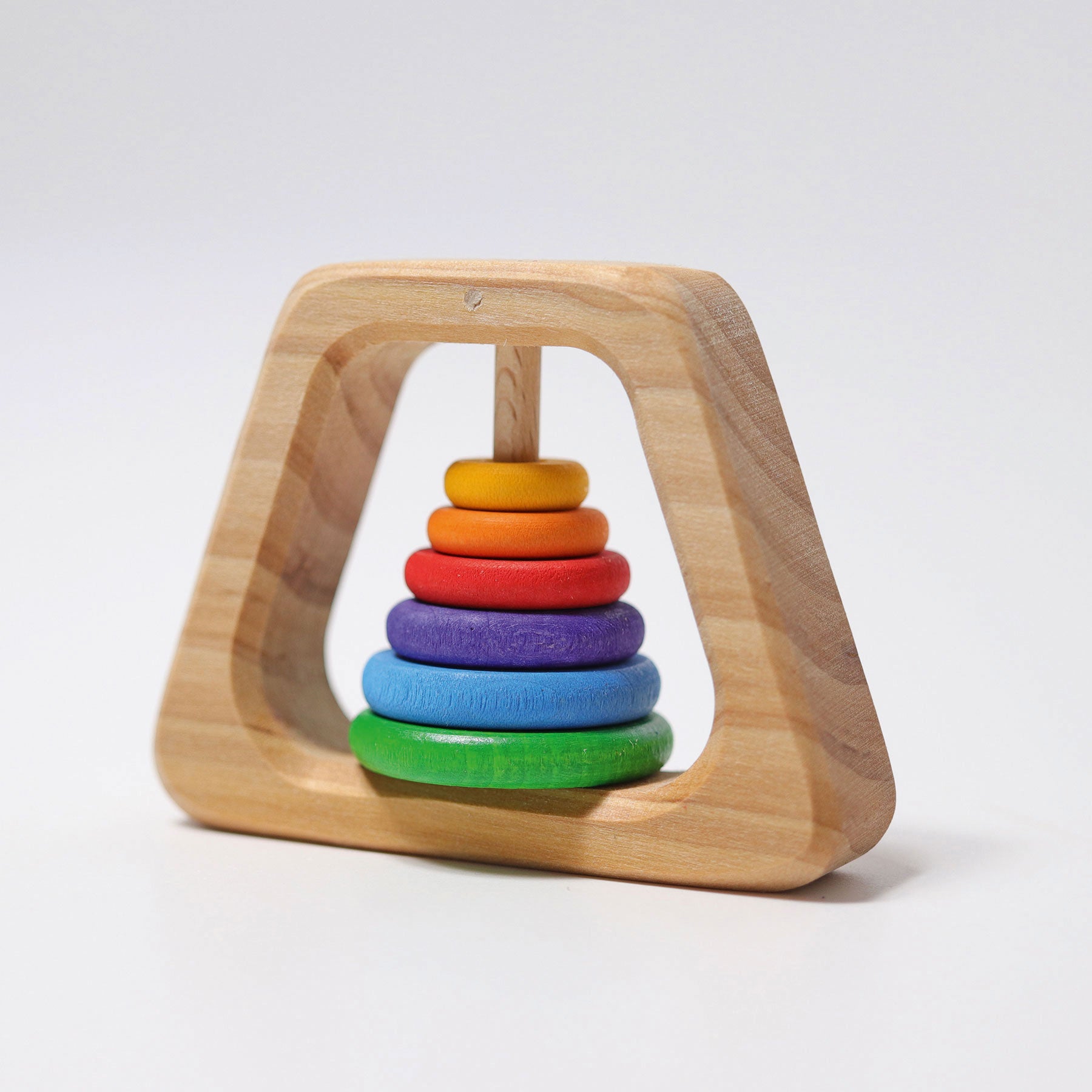
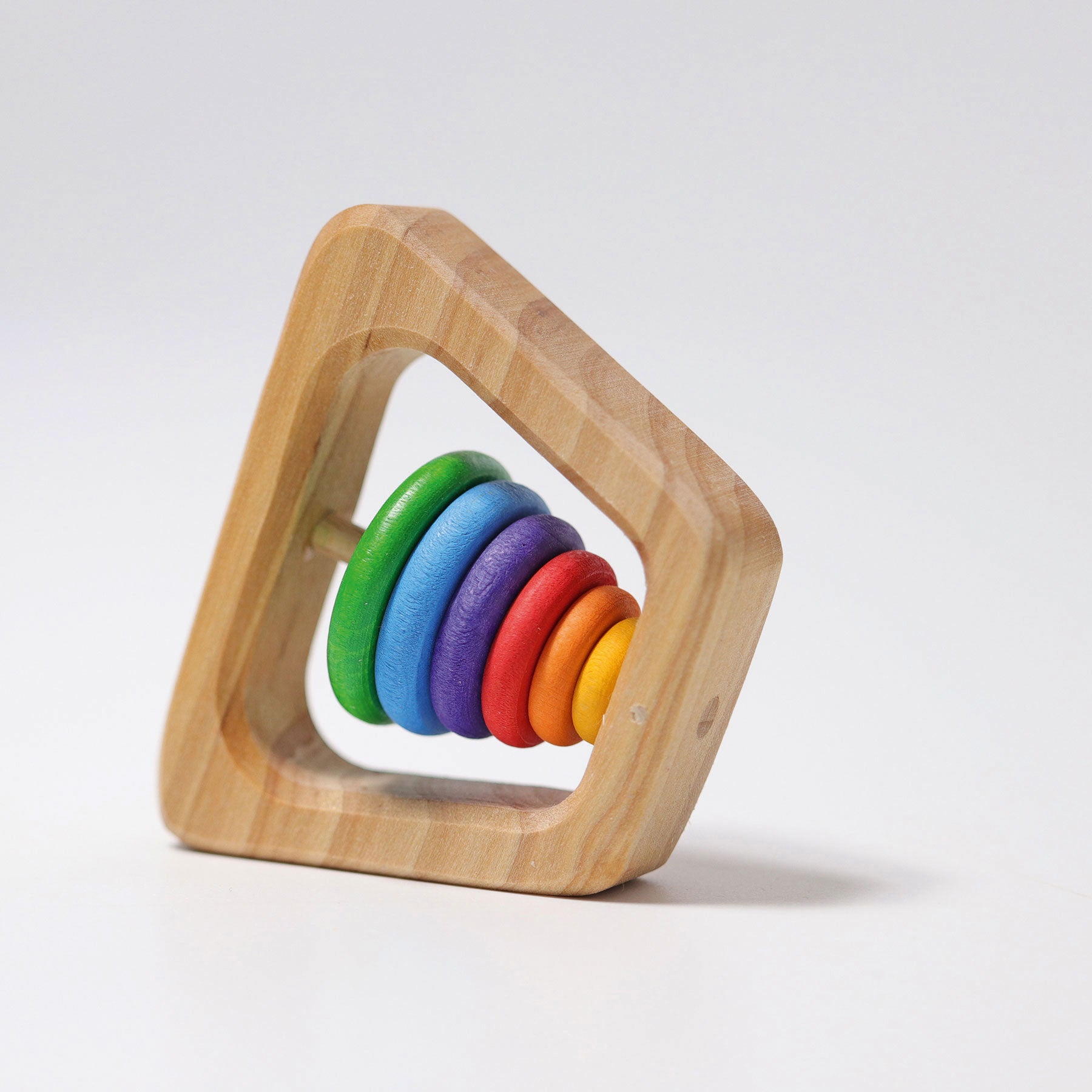
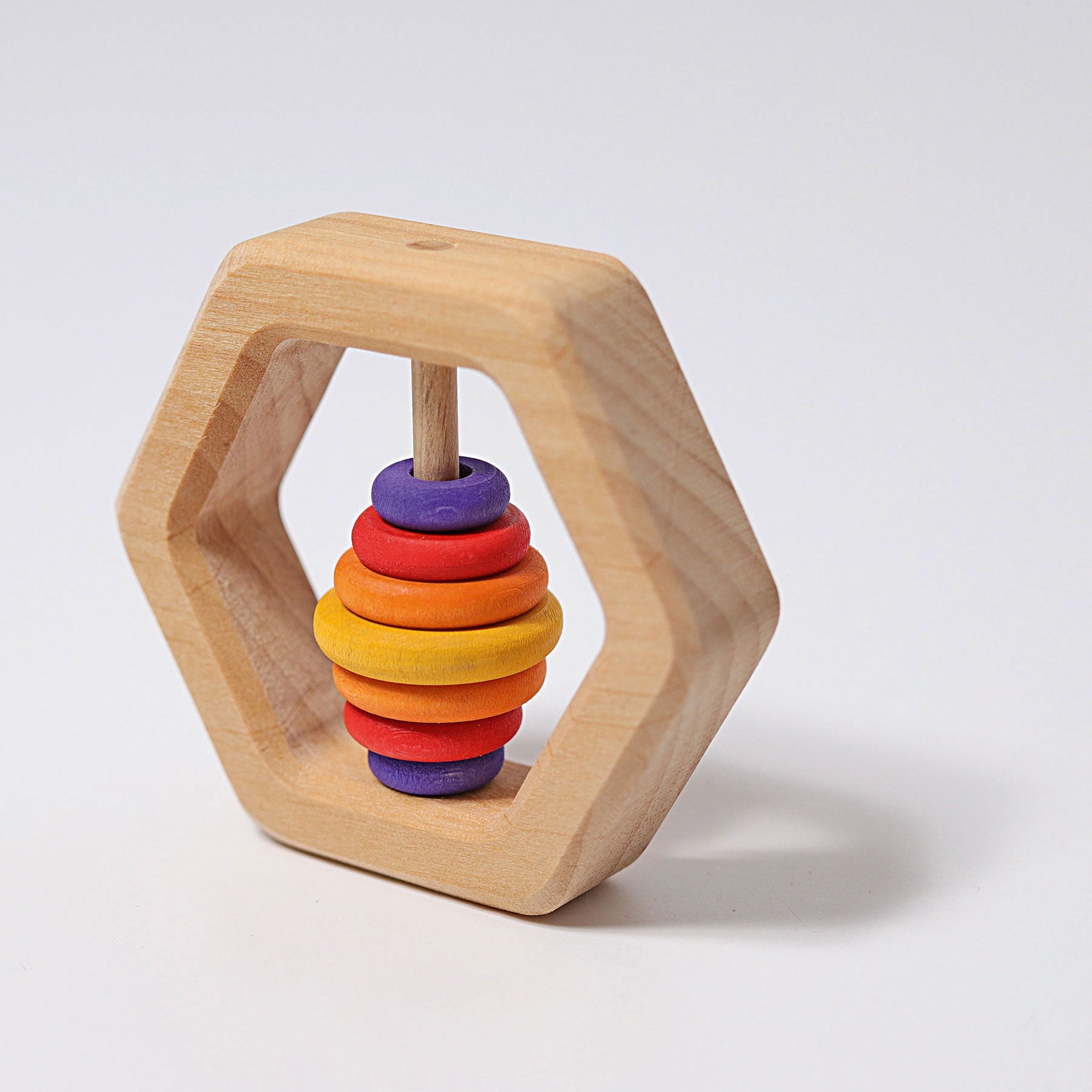
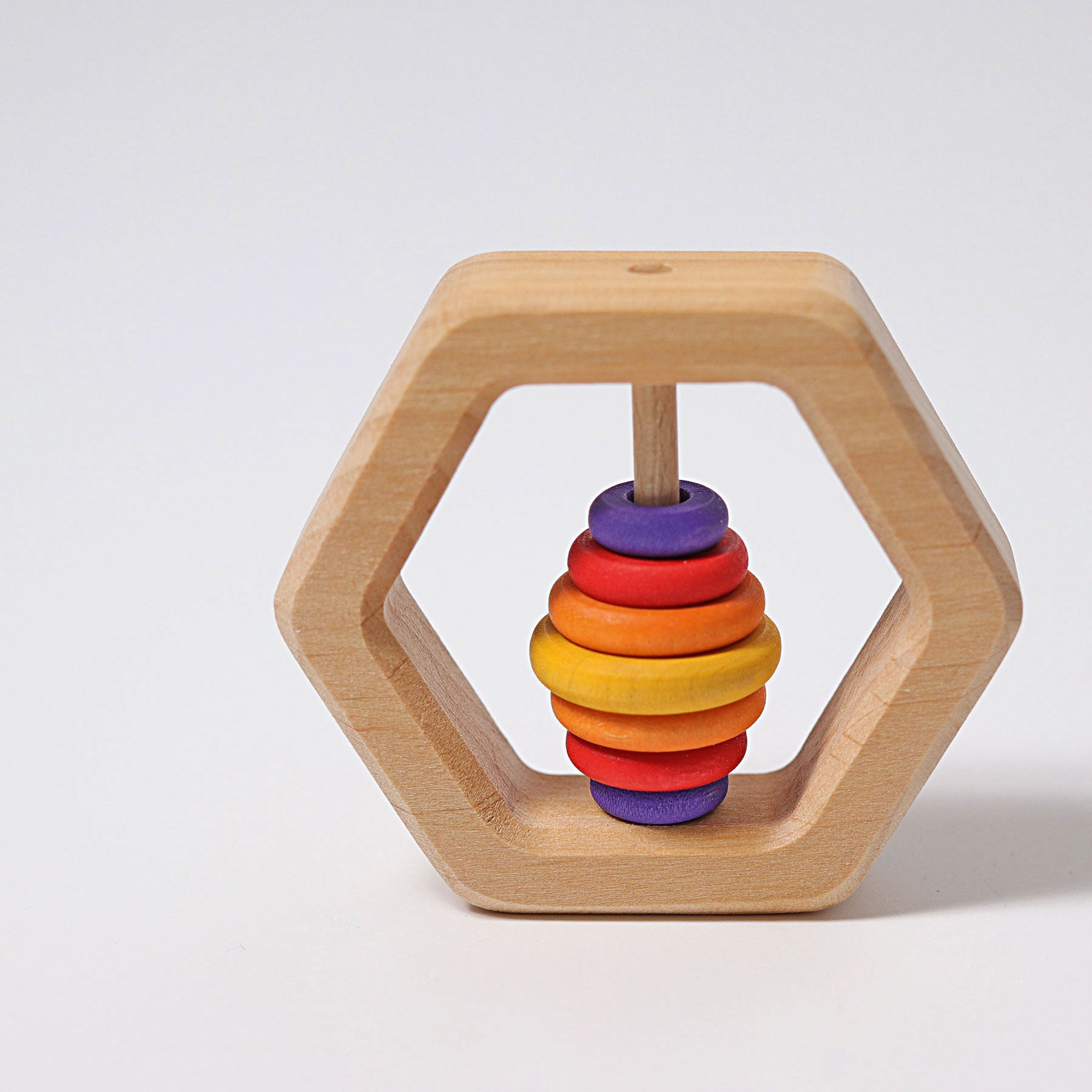
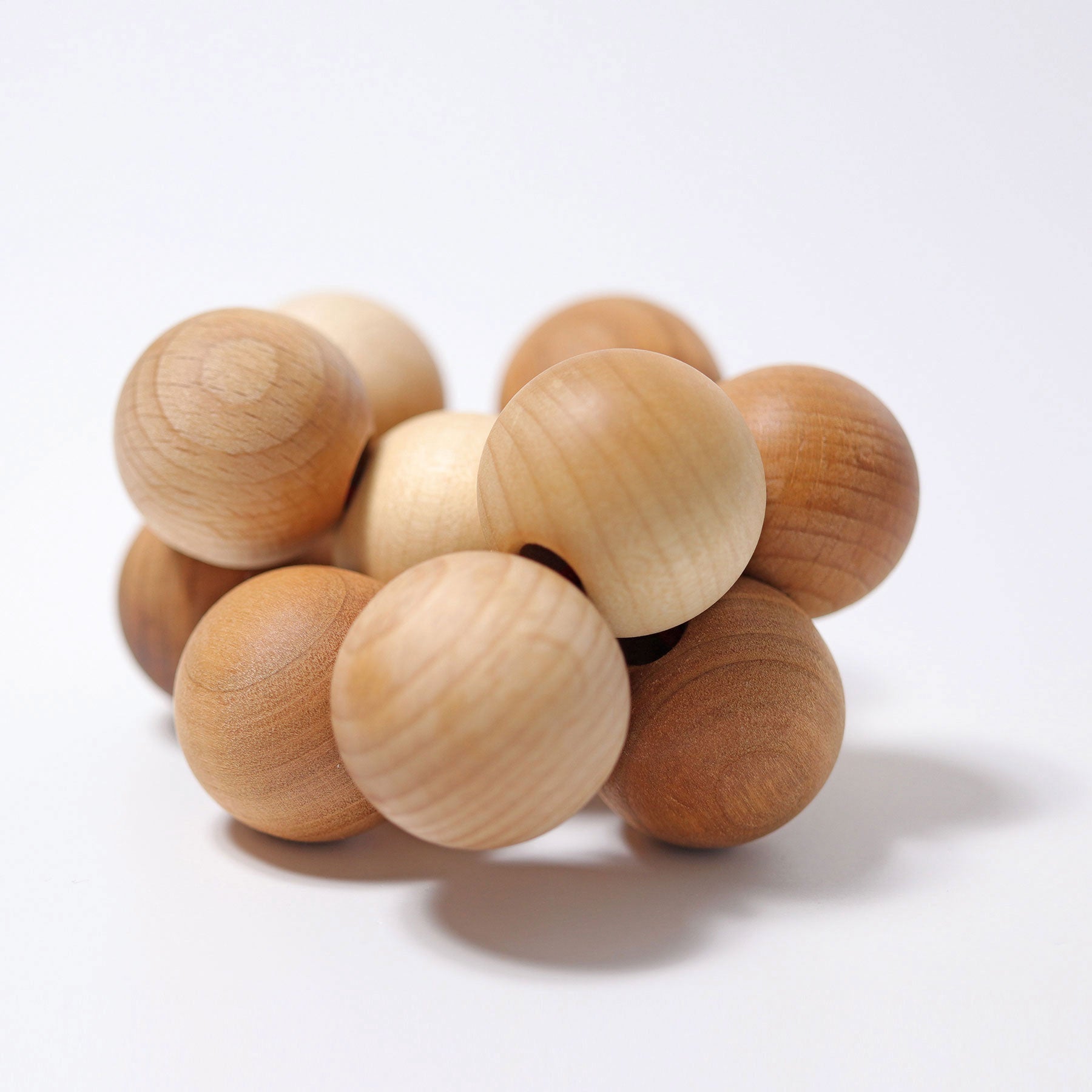
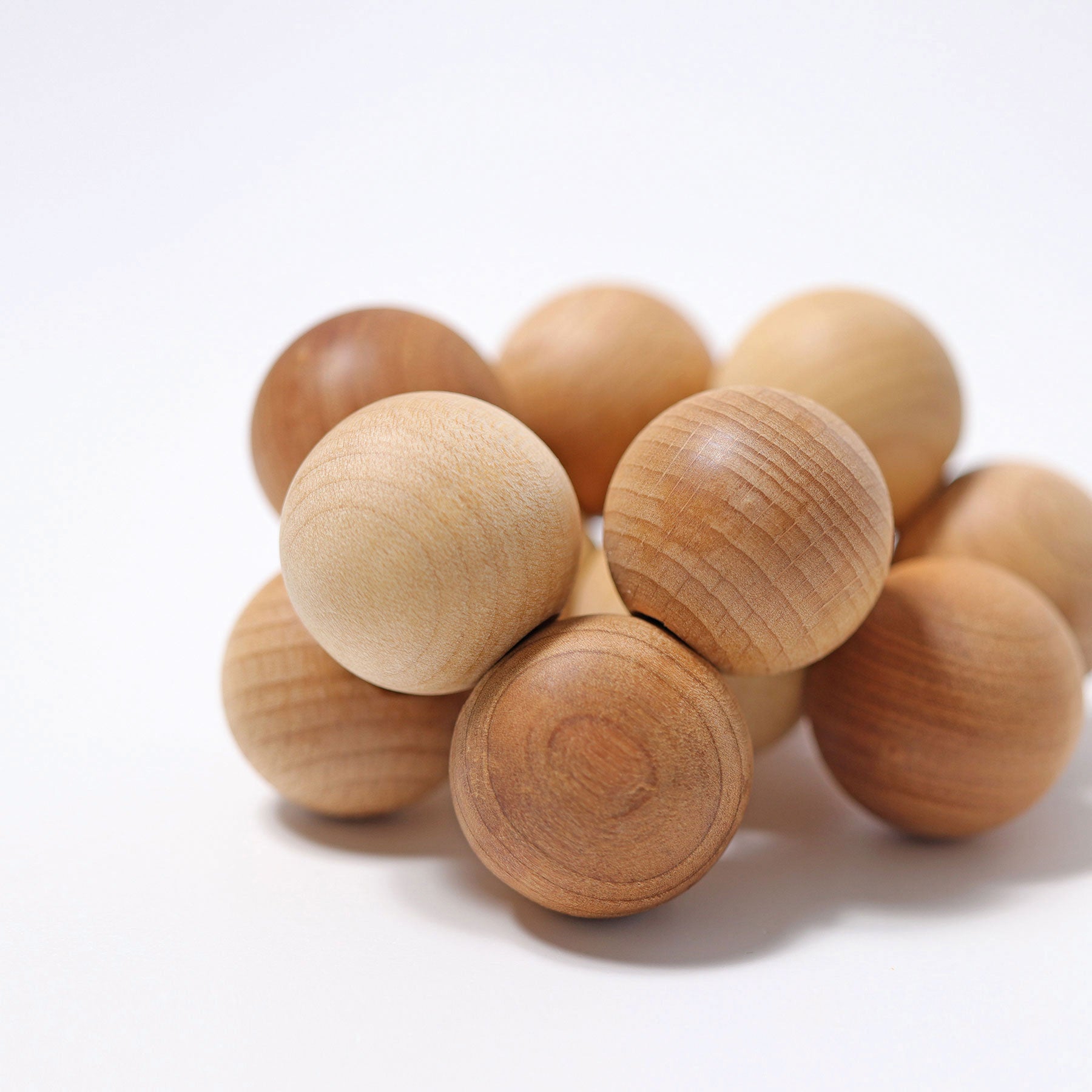
Simple play materials in particular often offer a wealth of possibilities. Things that feel pleasant to hold, have different textures or make soft sounds often keep babies occupied for many months.

Movement changes the way babies play
As babies develop, their play changes too. Observation turns into reaching; reaching turns into turning, rolling, crawling on all fours or crawling. Suddenly, anything that can be moved or starts moving on its own becomes fascinating.
Rolling balls, small movable objects or things that invite them to crawl after them now become exciting. In the process, many small successes arise quite naturally.
And that is precisely what makes play so special in the early years: children do not learn in isolation from everyday life, but right in the midst of it.

Less direction, more discovery
Children are naturally curious from the very start. Often, they don’t need much guidance at all, but rather time and space to try things out for themselves.
That’s why the most wonderful moments of play often arise from the simplest things:
a cloth floating through the air
a ball rolling slowly away
a grasping toy being turned and examined
a rattle that sounds different with every movement
As children grow, their interests and abilities change naturally. And that is precisely what is so wonderful: children develop at their own pace and often show very clearly what they need at any given moment.
Growing together
Especially in the first few months, play is always about connection. Babies need people to accompany them, observe them and respond to their little discoveries.
Because often it is not the big moments that stay in the memory, but the small ones:
The first conscious grasp.
The curious observation of a movement.
Laughing together during a simple finger play.
And whilst babies discover the world through play, we too sometimes rediscover it all anew.